 Restoration Project
Transforming the Rouge River AOC
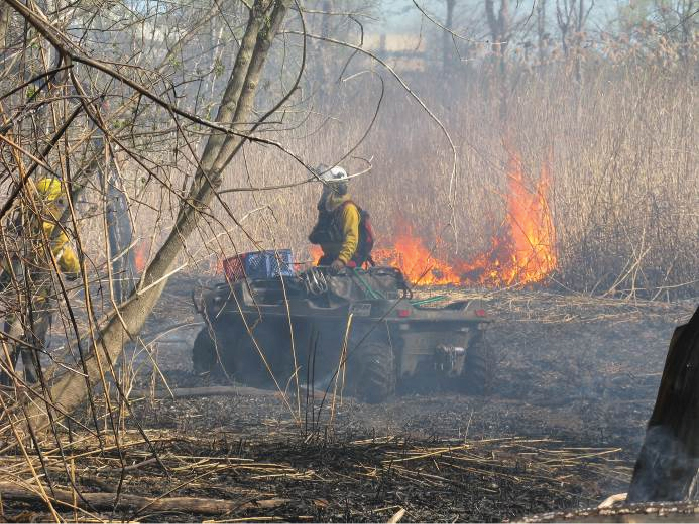
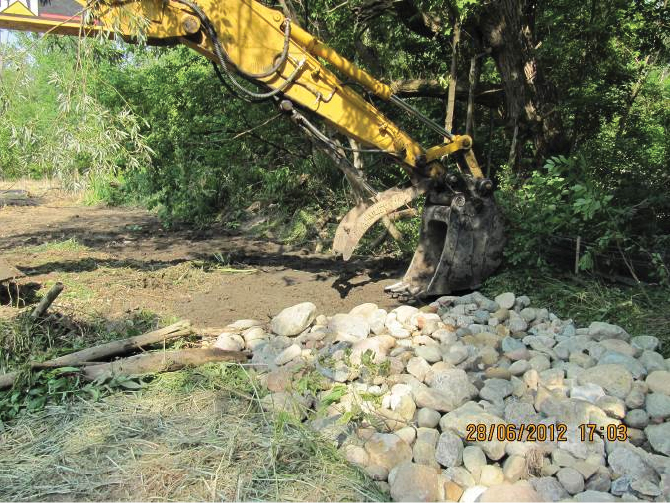
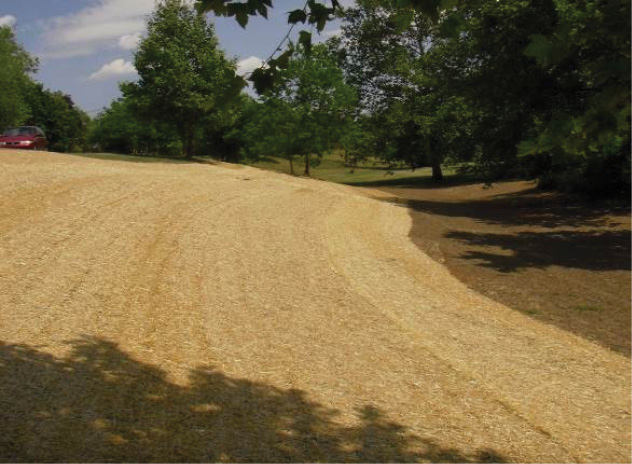
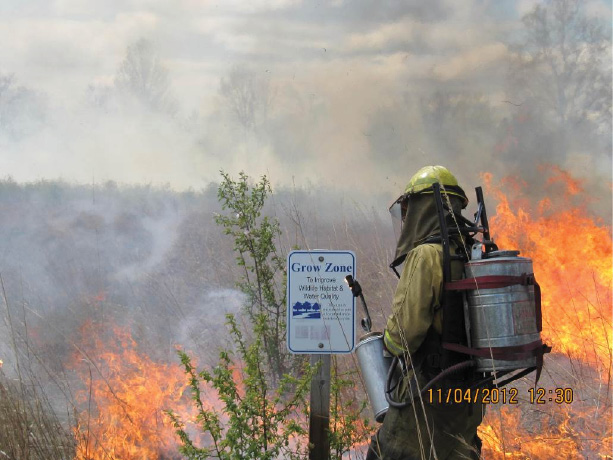
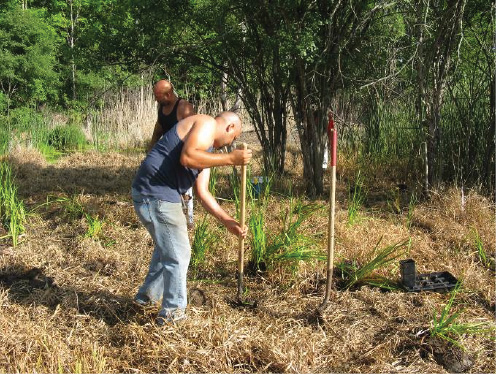
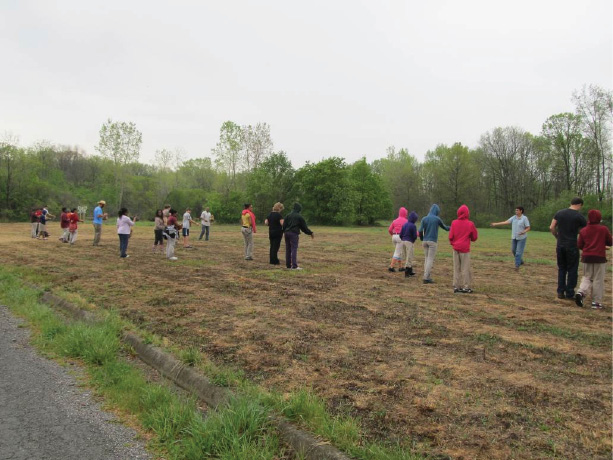
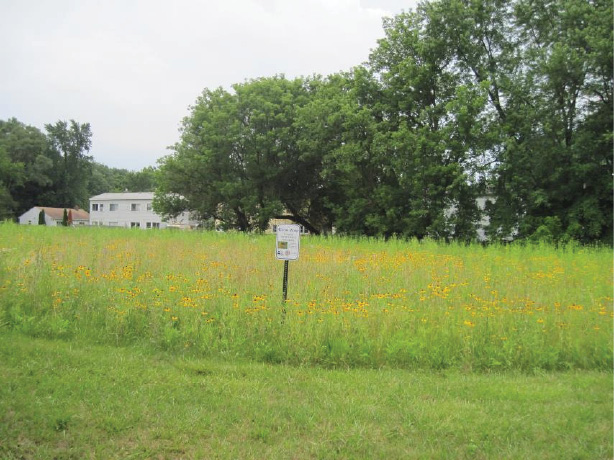
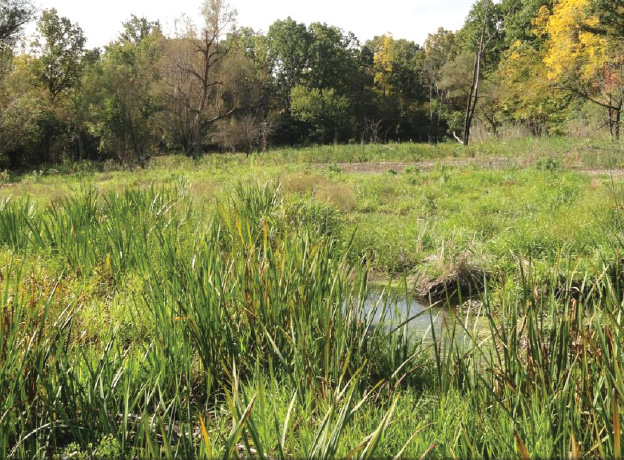
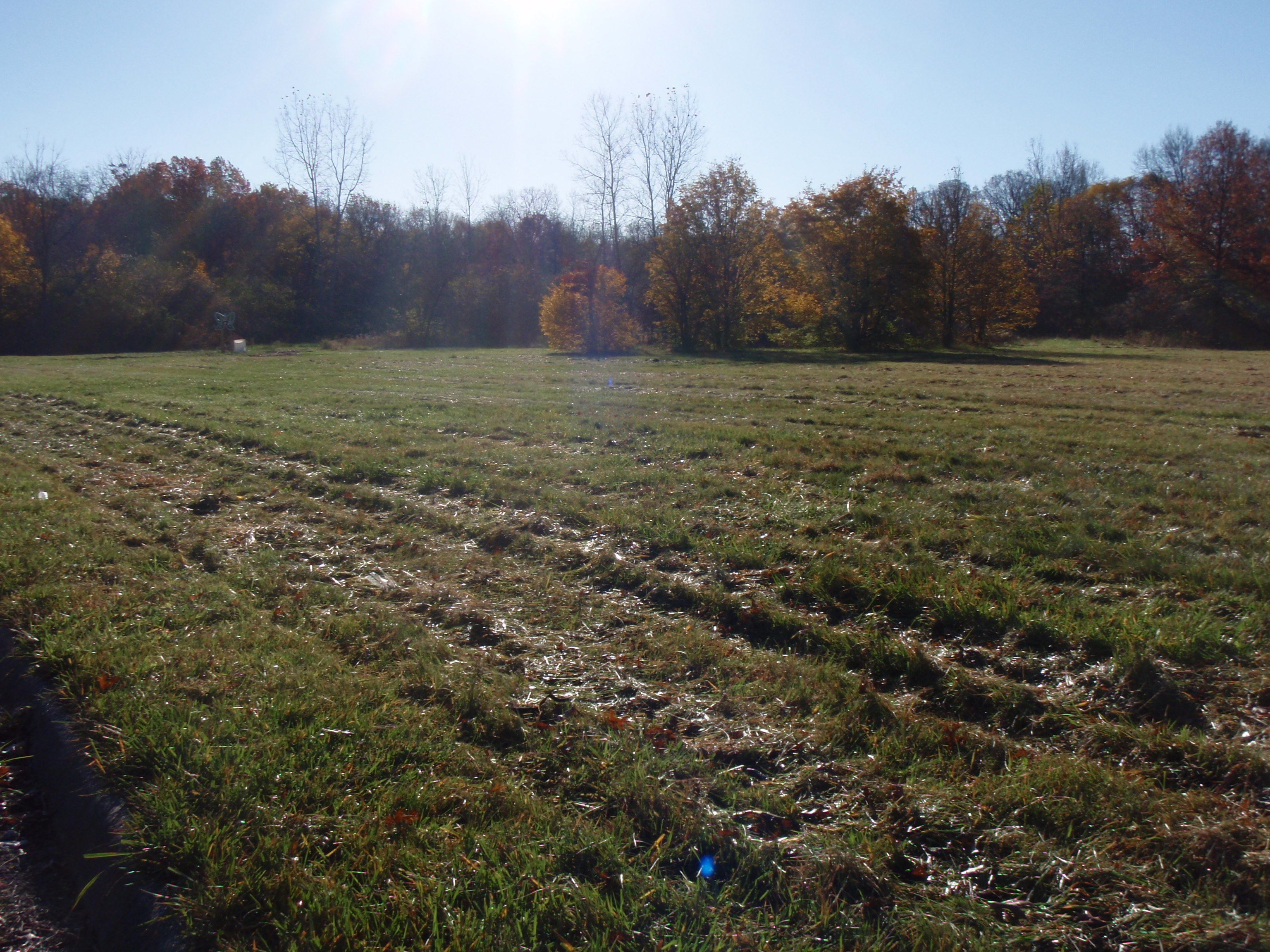
In 2010, the Alliance of Rouge Communities (ARC) received a grant from the U. S. Environmental Protection Agency, Great Lakes Restoration Initiative to conduct Transforming the Rouge AOC from Mowed Down to Grown Up (Transforming the Rouge). The Rouge River watershed is a designated Area of Concern (AOC) under the Great Lakes Water Quality Agreement (GLWQA) and has three Beneficial Use Impairments (BUIs) associated with fish and wildlife habitat: Degraded Fish and Wildlife Populations, Degradation of Benthos, and Loss of Fish and Wildlife Habitat. The purpose of the Transforming the Rouge project was to restore riparian corridor, wetlands and upland habitat in the Rouge River Watershed to address the benthos BUI with the ultimate goal of delisting the Fish and Wildlife Habitat and Population BUIs.
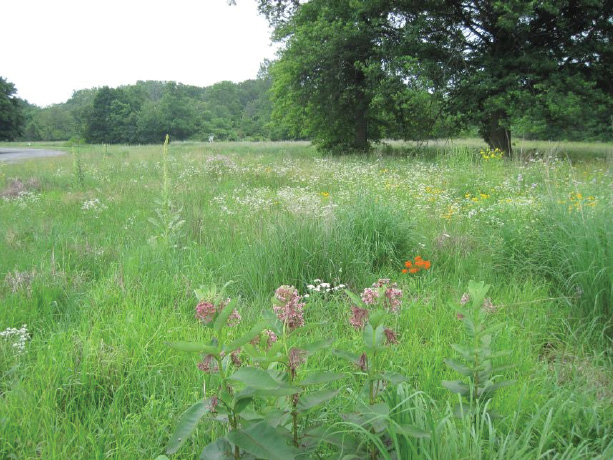
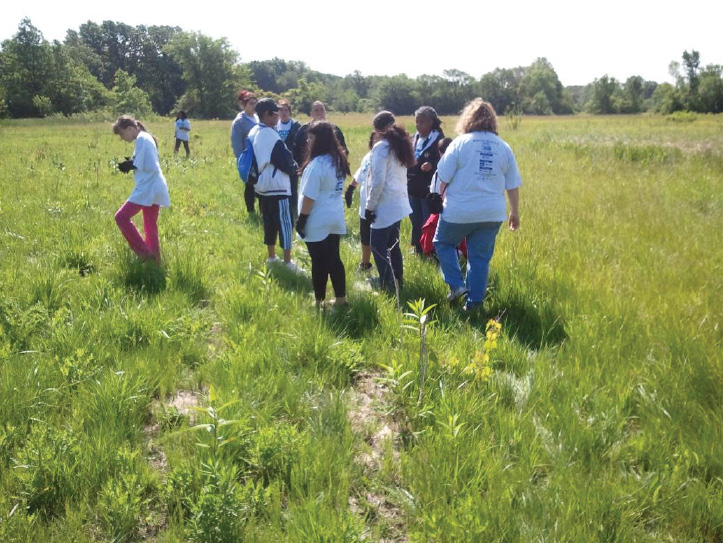
The Transforming the Rouge project included a public education component to educate the residents living around the grow zone areas and the Valley Woods Nature Preserve as well as pre- and post- construction benthics macroinvertebrate sampling conducted by Friends of the Rouge and Wayne County. This project increased focus on the benefits of native areas and habitat. A Detroit Public Schools program by a local stewardship group expanded from two classrooms to 10 classrooms in Detroit’s Rouge Park since the prairie was restored in 2012 and students visit the restored prairie throughout the school year to document seasonal changes. Wild turkeys and coyotes were observed in Rouge Park in 2012 and a Blue Heron rookery is thriving in Rouge Park. At the Valley Woods Wetlands in Southfield, increased wildlife usage - whitetail deer, great blue herons and coyotes - have been observed. Since the native areas were restored, there is an increase in butterflies in Detroit’s Eliza Howell and Rouge parks and there are more butterfly and bird watching events at Eliza Howell Park. Sensitive stoneflies have been observed hatching in the channelized portion of the lower portion of the Rouge Main Branch, downstream of three of the Transforming the Rouge projects.
.jpg)