 Restoration Project
Colonial Park Restoration
As water quality in the Rouge River continues to improve, this project will build on past efforts to restore some of the damage done during the last century. Tributaries of the Rouge River have suffered from loss and impairment of aquatic habitat and increased frequency and magnitude of flood flows, primarily due to increasing urbanization within the watershed. The flat river slope and the meandering channel can not pass the large flows associated with rain events. Upstream urbanization continues to exacerbate this problem as runoff from increased amounts of impervious surfaces culminates in flooding within the river system, bank erosion, and continued habitat degradation.
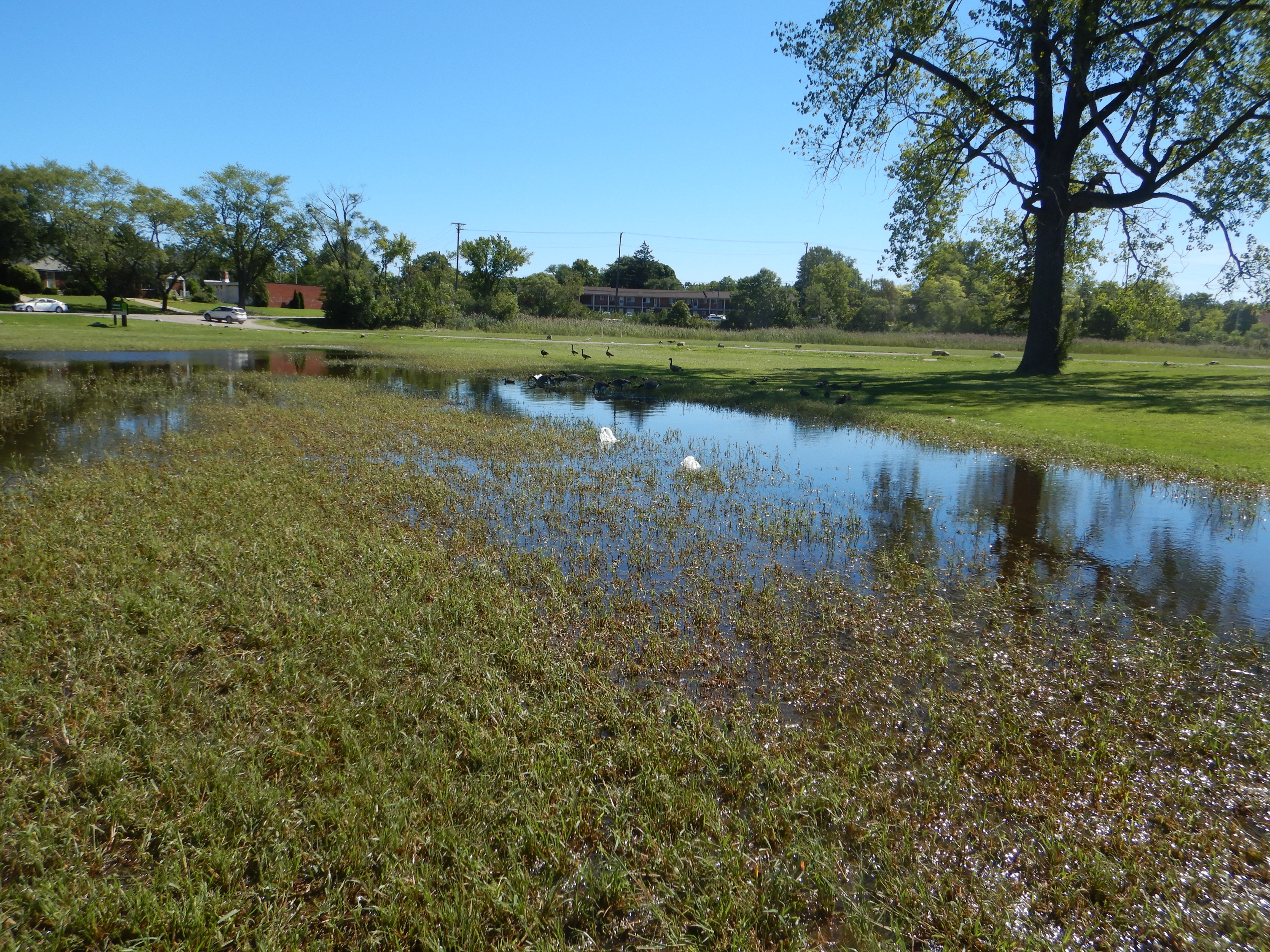
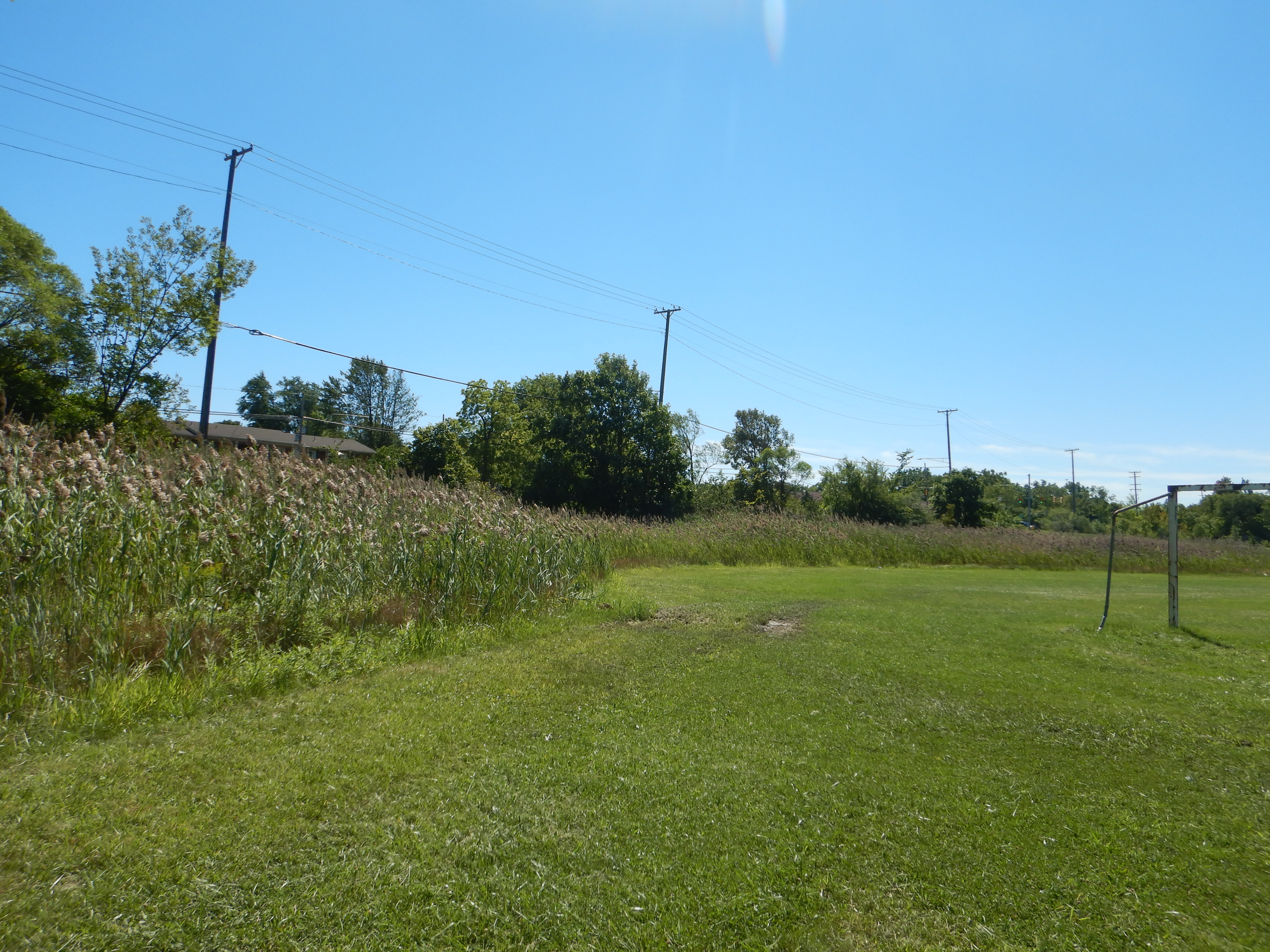
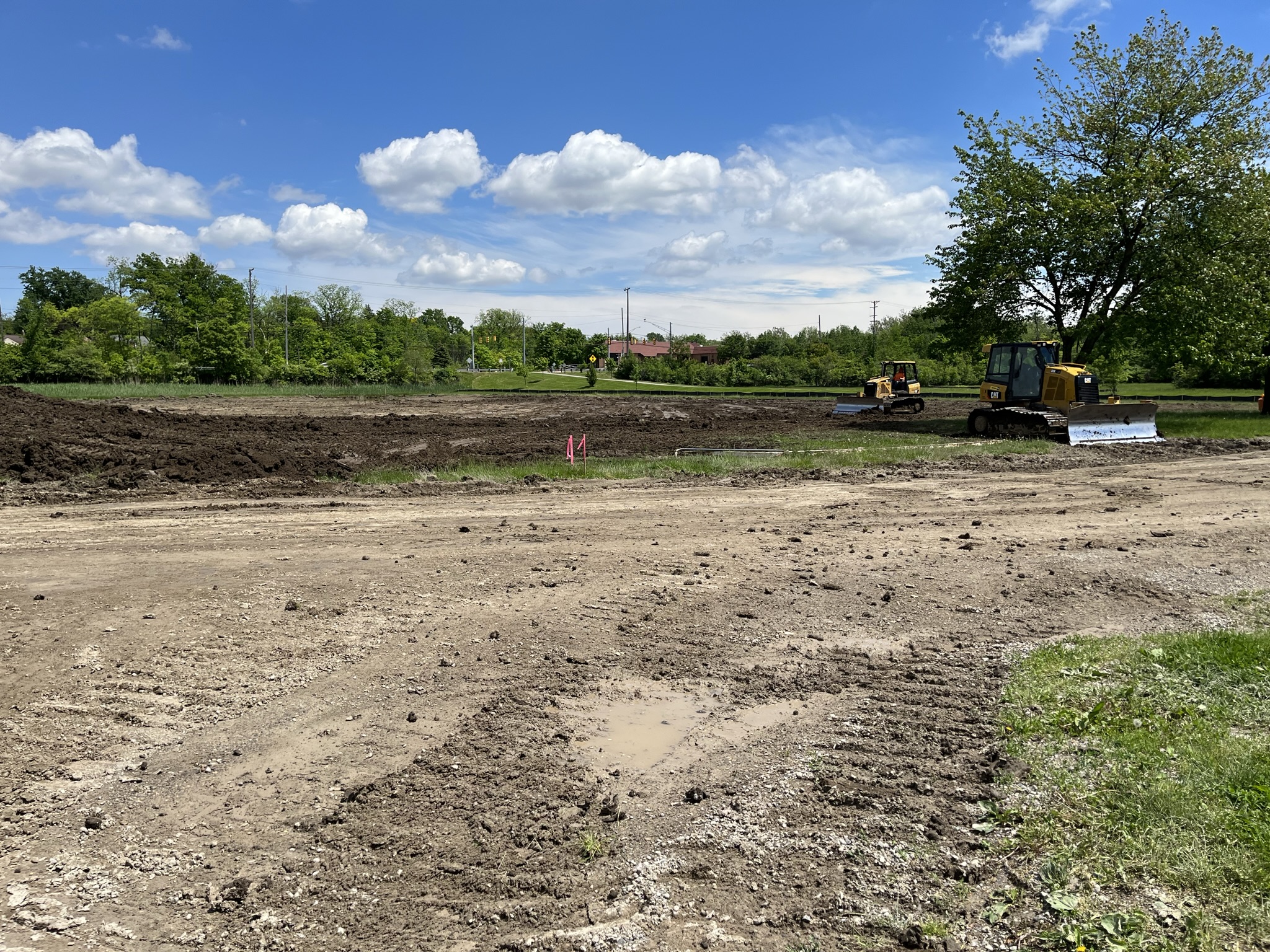
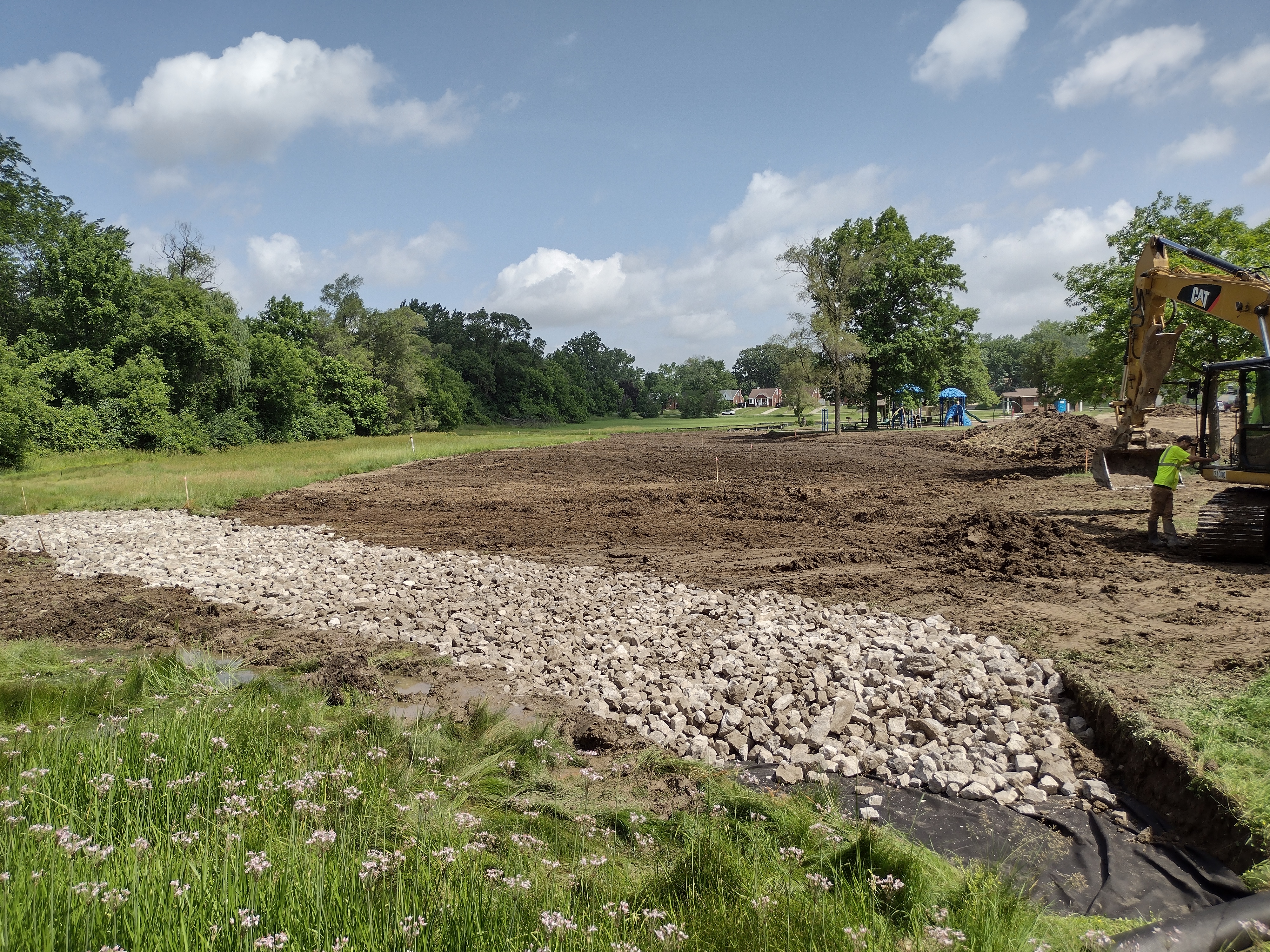
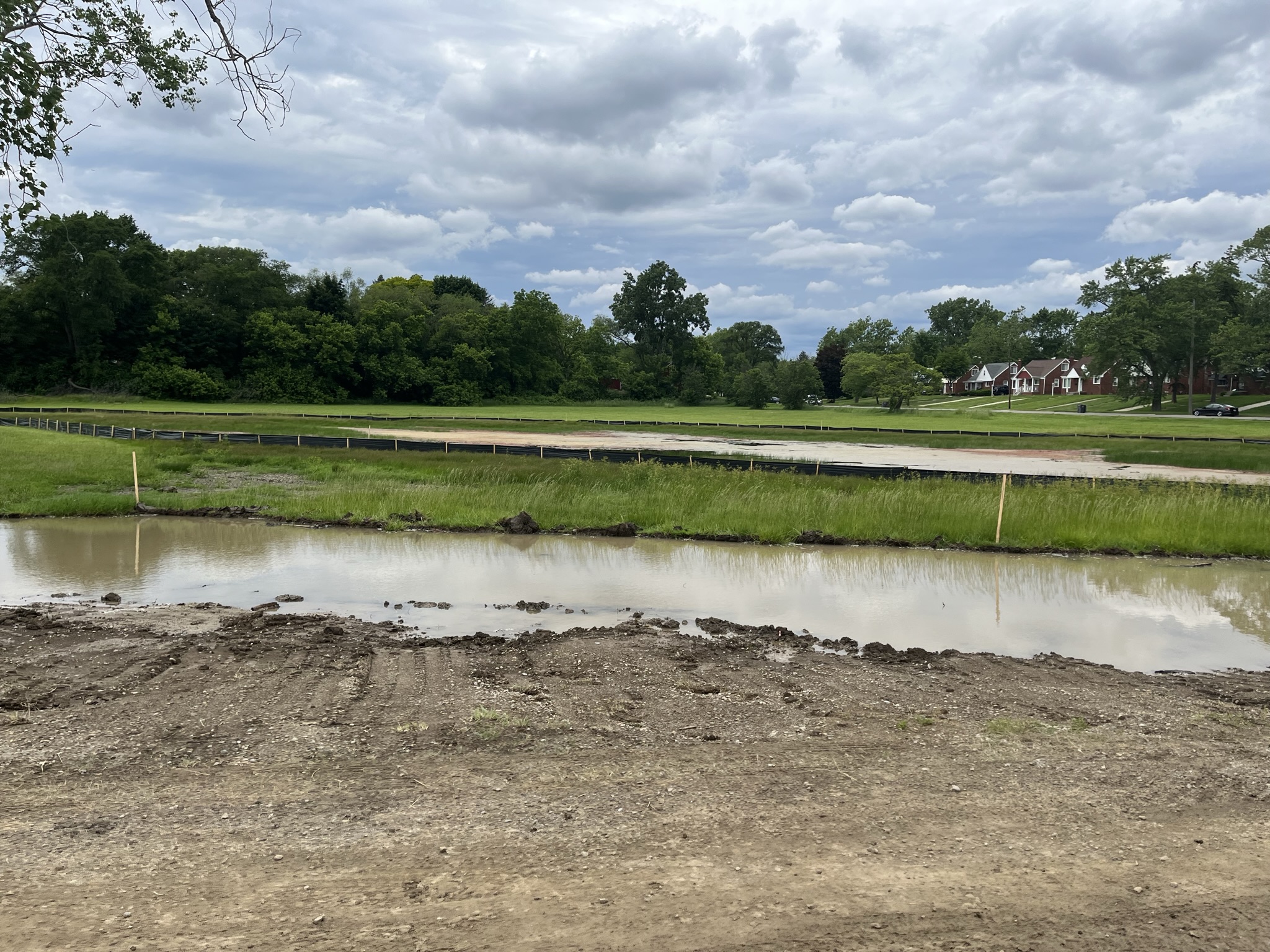
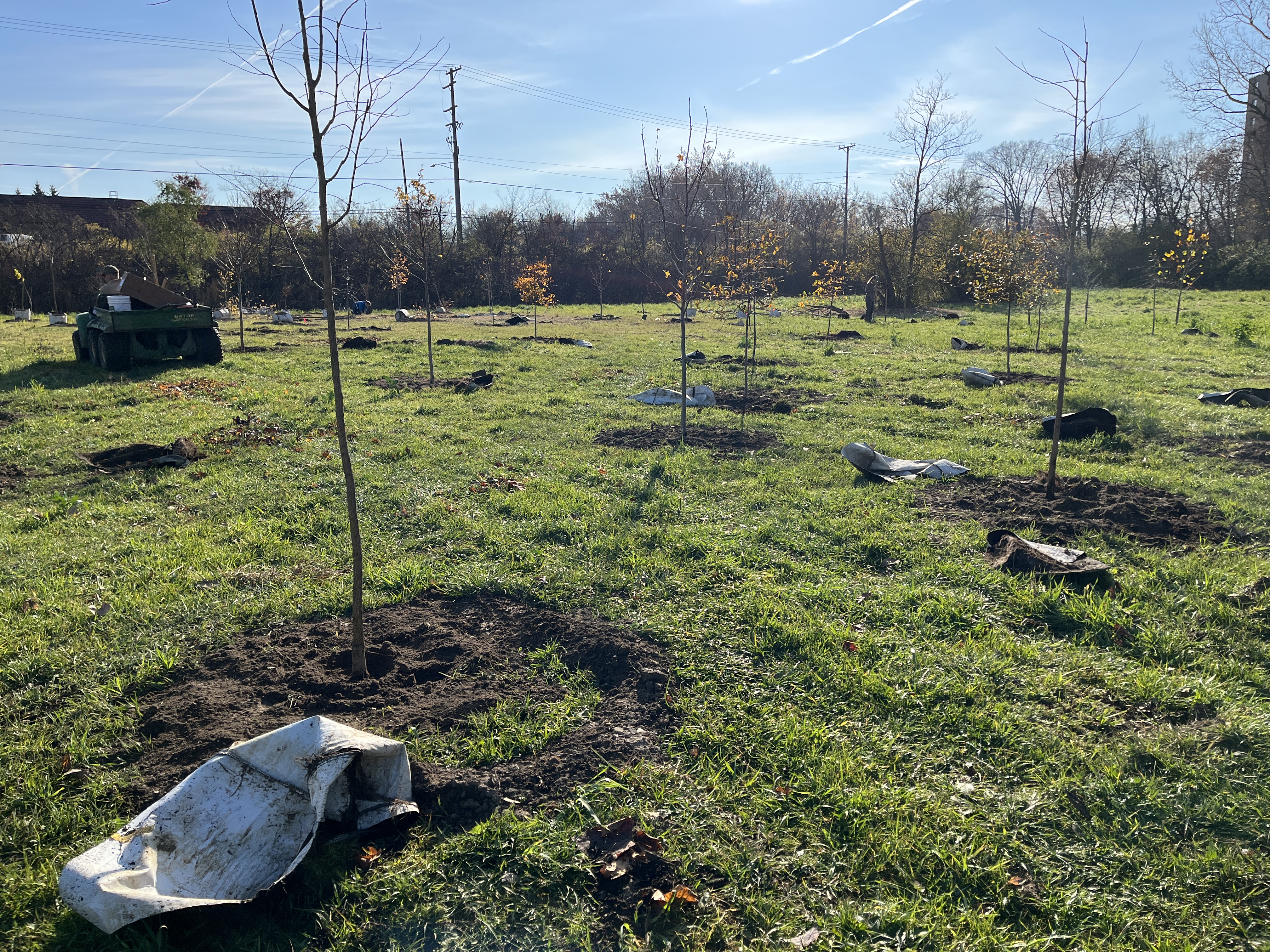
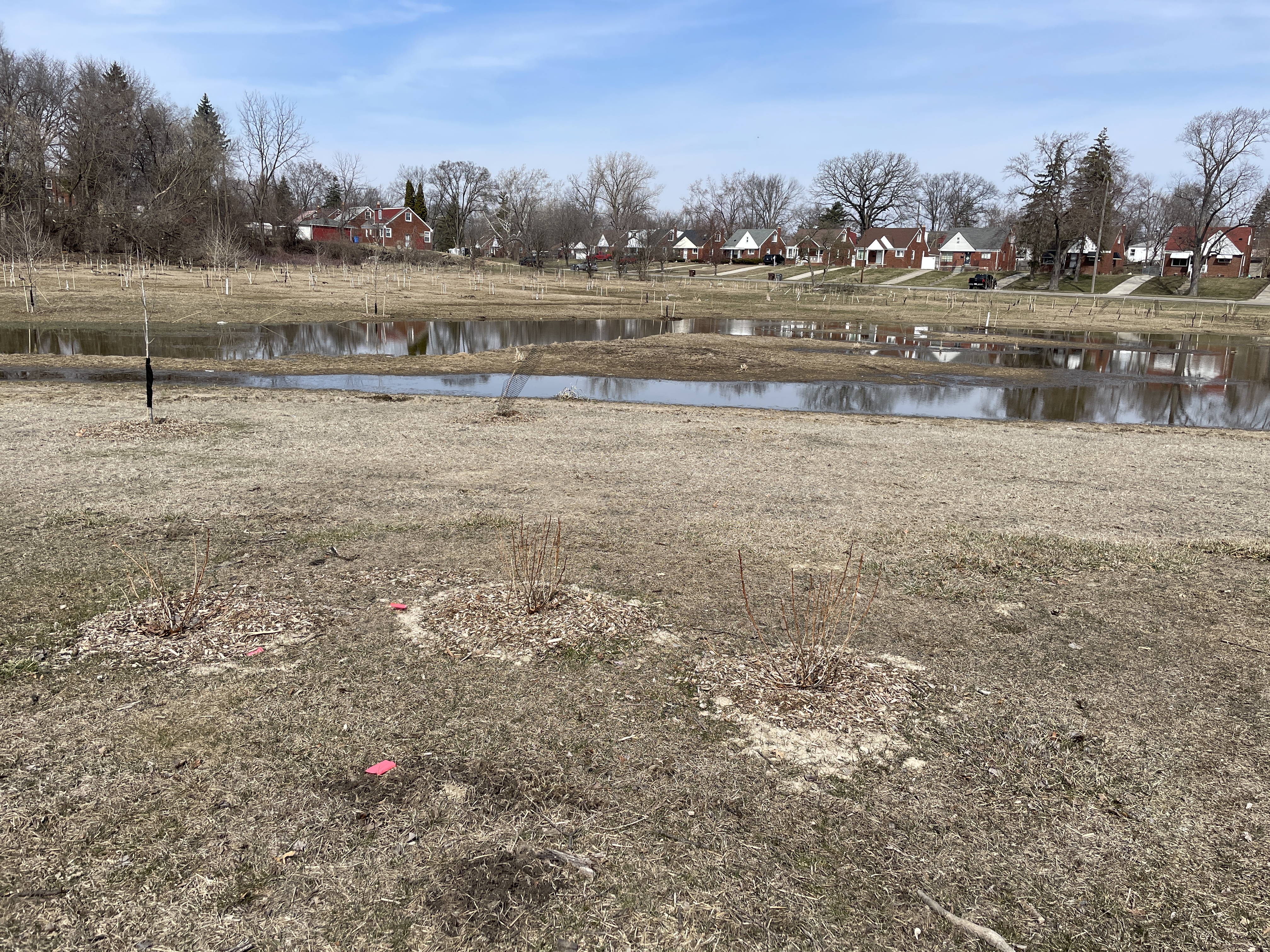
Colonial Park is adjacent to the Lower Rouge River in the City of Inkster. Much of the park area is routinely mowed and used for active recreation. However, the park is low and often floods. This project is creating wetlands in maintained lawn areas by establishing wet meadow habitat and depression wetlands to provide habitat and manage floodwater. Additionally, invasive species is being managed in the proposed wetland enhancement areas. Maintained lawn areas are bing converted to wetlands through excavation of shallow depressions and planting of a diverse native wet-meadow seed mix. The wet meadow community will contain diverse flowering forbs that provide food for pollinators. Small mammals and birds will benefit by the increased habitat diversity and cover. Wetland diversity in the maintained lawn areas will also increase through the excavation of shallow depressions in low lying areas that store floodwater. The more diverse topography will increase plant diversity by creating varying hydrological conditions.